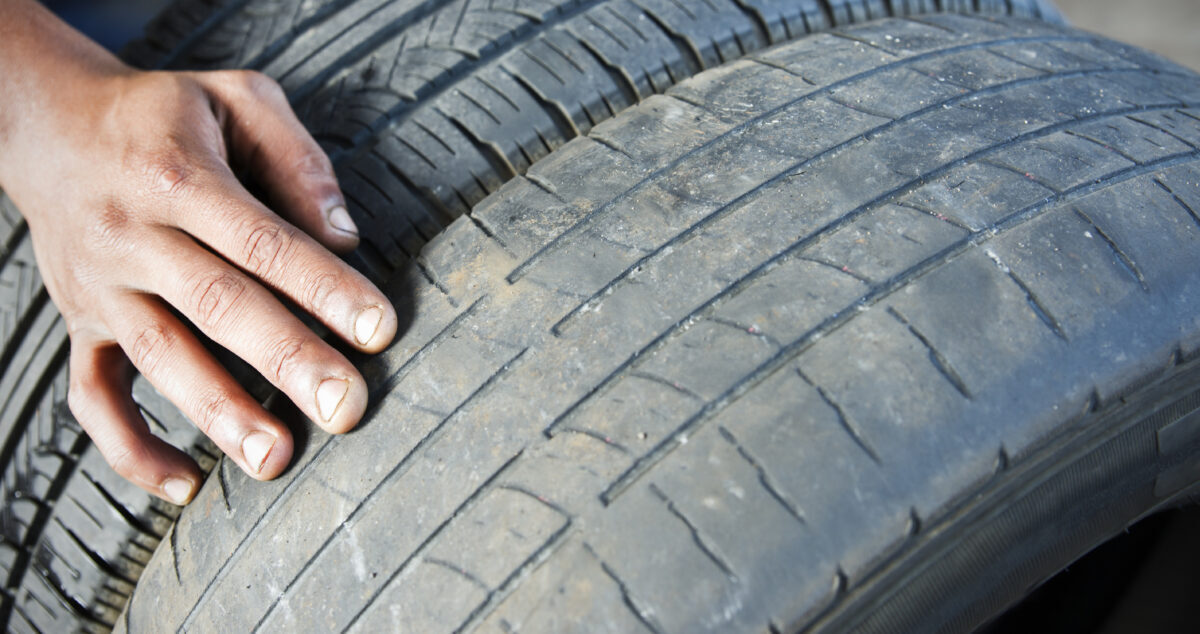
Tires are one of the few vehicle components that remain in constant contact with the road. Because of this, tire condition reveals a great deal about how well a vehicle’s steering, suspension, and alignment systems are functioning.
As vehicles age, uneven tire wear becomes increasingly common. What may begin as small tread differences can eventually lead to vibrations, reduced traction, poor fuel economy, and shorter tire lifespan.
Tires Depend on Proper Alignment
Wheel alignment plays a major role in how evenly tires wear over time.
Proper alignment ensures the tires maintain balanced contact with the road during:
- Straight driving
- Turning
- Braking
- Acceleration
As vehicles age, suspension and steering components gradually wear down, making alignment problems more likely.
Even small alignment changes can create noticeable tire wear patterns over thousands of miles.
Suspension Wear Affects Tire Contact
Suspension systems help stabilize the vehicle and maintain proper wheel positioning.
Older vehicles commonly develop worn:
- Ball joints
- Tie rods
- Bushings
- Control arms
- Shocks and struts
When these components weaken, the tires may no longer maintain even road contact.
This often causes:
- Inner edge wear
- Outer edge wear
- Feathering
- Cupping patterns
Because suspension wear develops gradually, many drivers do not immediately notice the connection between ride quality and tire wear.
Improper Tire Pressure Accelerates Wear
Tire pressure strongly affects tread wear patterns.
Underinflated tires may wear faster along the outer edges, while overinflated tires often wear more heavily in the center.
Older vehicles may develop pressure-related problems because of:
- Slow leaks
- Damaged valve stems
- Aging tires
- Temperature fluctuations
Driving for long periods with incorrect tire pressure shortens tire lifespan significantly and may also reduce fuel economy.
Rotation Neglect Causes Uneven Wear
Tires wear differently depending on their position on the vehicle.
Front tires typically experience more stress because they handle:
- Steering
- Braking
- Engine weight in many vehicles
Without regular tire rotations, front and rear tires may wear unevenly.
Over time, this imbalance may create:
- Vibrations
- Reduced traction
- Road noise
- Handling instability
Routine tire rotation helps distribute wear more evenly across all four tires.
Driving Habits Affect Tire Lifespan
Aggressive driving habits often accelerate uneven tire wear.
Frequent:
- Hard braking
- Fast cornering
- Rapid acceleration
- Driving over potholes
place additional stress on both tires and suspension systems.
Vehicles driven aggressively may develop alignment and tire wear problems much earlier than those driven more carefully.
Road Conditions Also Contribute
Road quality significantly affects tire wear patterns.
Potholes, rough pavement, and uneven road surfaces may gradually damage:
- Tire structure
- Suspension components
- Alignment settings
Drivers in areas with harsh winters or deteriorating roads often experience faster tire wear because of repeated impacts and environmental stress.
Worn Wheel Bearings Can Influence Tire Wear
Wheel bearings help wheels rotate smoothly and maintain stable positioning.
As bearings wear down, they may create:
- Vibrations
- Humming noises
- Loose wheel movement
These problems sometimes contribute to uneven tire wear because the wheel no longer maintains perfect alignment during driving.
Older high-mileage vehicles are especially vulnerable to bearing-related wear issues.
Uneven Tire Wear Affects More Than Tires
Many drivers focus only on replacing worn tires, but uneven wear often signals larger mechanical problems.
Ignoring abnormal wear patterns may eventually lead to:
- Poor steering stability
- Reduced braking performance
- Suspension stress
- Increased fuel consumption
Because tires affect every aspect of vehicle handling and safety, uneven wear should never be ignored for long.
Older Vehicles Commonly Develop Multiple Wear Issues Together
As vehicles age, several contributing factors often appear simultaneously.
An older car experiencing uneven tire wear may also have:
- Suspension deterioration
- Alignment problems
- Steering looseness
- Wheel bearing wear
- Tire pressure issues
When multiple repairs become necessary together, maintenance costs can rise quickly.
This becomes especially difficult for high-mileage vehicles already facing transmission problems, engine leaks, or rust damage.
Why Some Owners Delay Tire and Suspension Repairs
Many vehicles remain drivable even with uneven tire wear, causing some owners to postpone inspections or repairs.
However, delaying repairs often accelerates wear across additional systems throughout the vehicle.
Eventually, repair costs involving:
- Tires
- Suspension components
- Steering systems
- Alignments
may combine with other aging-related issues and become financially difficult to justify.
This is one reason some owners eventually explore alternatives such as Cash For Junk Cars once repeated tire and suspension repairs begin outweighing the practical value of the vehicle.
Preventative Maintenance Helps Extend Tire Life
Drivers can greatly reduce uneven tire wear through regular maintenance and inspections.
Helpful preventative practices include:
- Rotating tires regularly
- Checking tire pressure frequently
- Inspecting suspension systems
- Performing wheel alignments periodically
- Addressing vibrations early
Early maintenance often prevents small tire wear issues from becoming larger and more expensive repair problems later.
Final Thoughts
Older vehicles commonly develop uneven tire wear because years of suspension wear, alignment changes, road impacts, and tire pressure problems gradually affect how tires contact the road.
Understanding how uneven tire wear develops helps drivers recognize warning signs earlier and maintain safer, smoother, and more reliable vehicles over time.