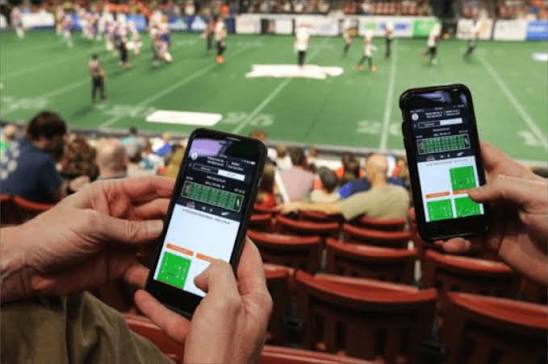
Watching a major sporting event rarely means watching only the television. Many fans follow match statistics on a phone, read commentary, check team news, or talk with friends while the action continues. This second-screen habit has changed how digital sports services are designed. Information must be easy to scan because the viewer’s attention is divided between the live event and a smaller device.
Some audiences also encounter gaming-related names such as sodo66 while browsing sports content. In that setting, it is useful to distinguish information from entertainment choices. A score update reports something that has happened; a market price reflects uncertainty about what may happen next. The two can appear side by side, but they should not be interpreted as the same kind of information.
Good second-screen design prioritizes timing and context. A visible match clock, clearly labeled statistics, and understandable navigation help users follow developments without losing track of the broadcast. Interfaces should make it obvious when information is delayed or still loading. Otherwise, a visitor may mistakenly treat an old update as current simply because it remains on the screen.
Media literacy is just as important. Short clips, social reactions, and dramatic headlines can exaggerate the significance of a single play. A team that dominates one period may still lose, and a viral prediction may have no sound basis. Fans can enjoy the conversation while remembering that highlights and comments rarely capture the full range of possible outcomes.
There is also a practical question of attention. Constantly switching between screens can reduce enjoyment of the event itself. Notifications and promotional prompts may encourage repeated checking, so turning off unnecessary alerts can create a calmer experience. Viewers who choose to engage with any money-related entertainment should decide on time and spending limits in advance.
Sports viewers should also recognize that the same event can reach different screens at different times. A broadcast stream, a social post, and a statistical feed may not be synchronized. This is normal in many distribution systems. When an apparent discrepancy appears, wait for confirmation rather than treating a delayed clip or a fast-moving comment as definitive evidence of what happened.
Second-screen technology is most useful when it adds understanding rather than distraction. Match information, community discussion, and optional entertainment can coexist, but they serve different purposes. Keeping those purposes clear allows fans to enjoy live sports without confusing a stream of updates with certainty about the next result.