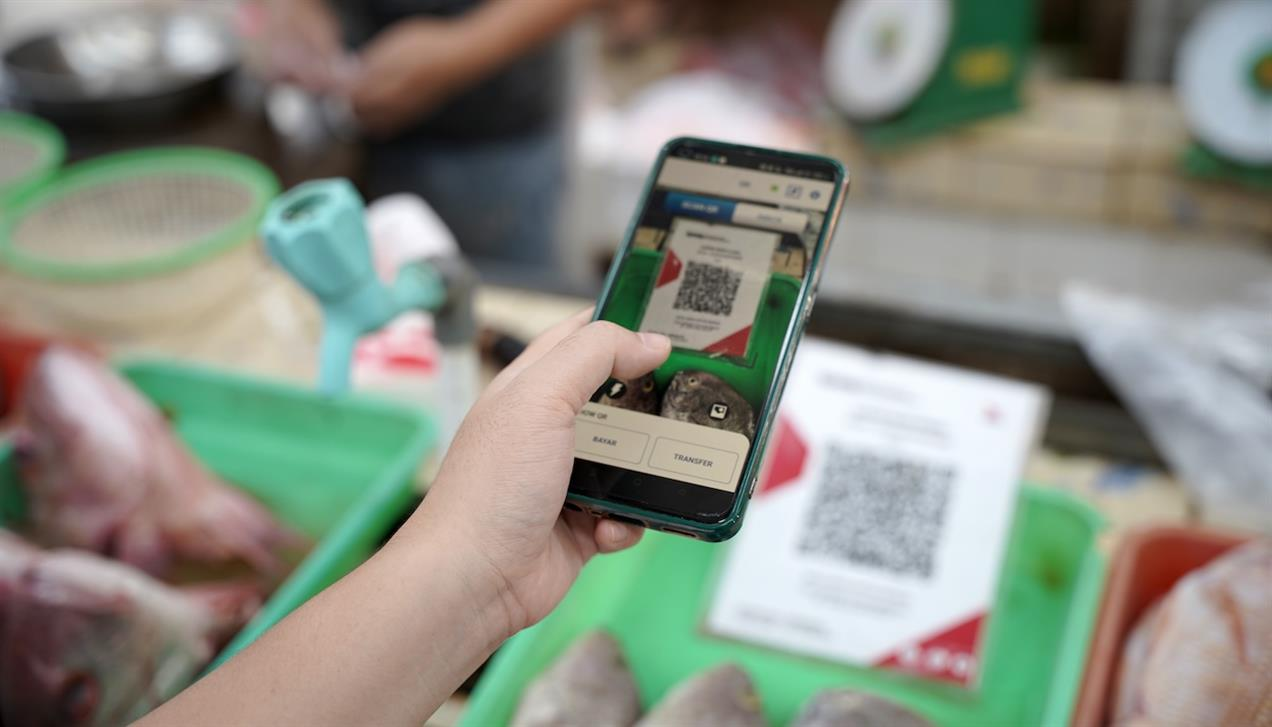
Digital technology has significantly changed the way people manage everyday financial activities. Shopping, paying bills, ordering services, and transferring money can now be completed through smartphones without requiring physical banknotes. One of the technologies supporting this transformation in Indonesia is QRIS, a standardized QR-based payment system designed to simplify electronic transactions between consumers and merchants.
The expansion of cashless payments is closely connected to the increasing availability of smartphones, mobile internet, digital banking applications, and electronic wallets. As these technologies become more familiar, consumers have gradually become accustomed to using digital methods for purchases that were traditionally completed with cash.
The Shift From Physical Cash to Digital Payments
Cash remains an important payment method, particularly for small businesses and transactions in areas with limited digital infrastructure. However, digital payments offer several practical advantages. Consumers do not need to prepare exact denominations, while merchants can avoid handling large amounts of physical currency during busy periods.
Electronic transactions also create digital records. Unlike cash purchases, which may require a receipt or manual note-taking to remember, digital payments are generally recorded automatically within the relevant banking or payment application. These records can help users monitor their expenses and review previous transactions.
The shift toward cashless commerce does not happen solely because of consumer preferences. Improvements in telecommunications infrastructure, financial technology, merchant adoption, and government-supported payment standards have also contributed to the wider use of electronic transactions.
Understanding How QRIS Transactions Operate
QRIS stands for Quick Response Code Indonesian Standard. Its purpose is to establish a common QR payment standard that can be used by participating payment service providers.
During a typical transaction, a customer opens a compatible mobile banking or electronic wallet application. The customer scans the merchant’s QR code and checks the transaction information shown on the screen. Depending on the payment system, the customer may need to enter the purchase amount before authorizing the transaction.
After confirmation, the payment is processed electronically. The application normally provides a transaction status or confirmation, while the merchant receives information indicating whether the payment has been successfully completed.
This standardized process can reduce complexity for merchants that previously needed different QR codes for different payment applications. Customers can also benefit from having a familiar payment procedure across various businesses.
Advantages for Everyday Shopping
Cashless payments can make routine shopping more convenient. Consumers can use a smartphone to purchase meals, groceries, transportation services, and other goods without carrying substantial amounts of cash.
Another advantage is transaction transparency. Digital payment histories allow consumers to examine how much they have spent and when individual purchases occurred. This information can become useful when managing a household budget or analyzing recurring expenses.
For merchants, electronic payments can reduce the operational burden associated with counting, storing, and preparing cash. Digital records can also support basic bookkeeping by providing a chronological history of incoming transactions.
These benefits are particularly relevant to small businesses because organized financial records can help business owners understand their daily sales activity and distinguish business revenue from personal spending.
Small-Value Transactions in a Digital Environment
The growth of digital payment infrastructure has also changed attitudes toward small-value transactions. Electronic payments were once commonly associated with larger purchases, while cash was considered more practical for inexpensive products.
The situation has changed as QR-based payment systems have become increasingly familiar. A customer can make a relatively small purchase electronically when the merchant supports the appropriate payment method.
Digital terminology has consequently expanded into different online industries. The expression Slot Qris is one example of how QRIS-related terminology can appear in discussions about online transactions. It is important, however, to distinguish the payment infrastructure from the service or business receiving the payment. A QR-based payment method describes how money is transferred, not whether the underlying business is legitimate, regulated, or appropriate.
Security Considerations for QR Payments
Convenience does not eliminate the need for transaction security. Users should carefully check the merchant information and payment amount before authorizing a transaction. Scanning an unfamiliar QR code without verifying its destination can create unnecessary financial risks.
Consumers should also protect their smartphones and financial applications. Screen locks, biometric authentication, strong passwords, and transaction notifications can provide additional layers of protection.
Phishing and social engineering are other concerns within digital payment environments. Fraudulent messages may attempt to persuade users to scan unfamiliar QR codes, disclose verification information, or approve transactions they did not initiate.
Consumers should therefore treat unexpected payment requests with caution. Financial institutions and legitimate payment providers generally provide security guidance, but users also play an important role in protecting their own accounts.
The Role of Digital Payments for Small Enterprises
Small and micro businesses are an important part of the transition toward cashless commerce. Traditional merchants may operate with limited equipment and financial resources, making simple payment technologies particularly valuable.
A QR-based payment system can allow a small business to accept electronic transactions without installing complex point-of-sale equipment. This can expand payment options for customers while reducing reliance on physical cash.
Digital transaction records can also support financial administration. Merchants may use transaction histories to compare daily revenue, identify periods of higher demand, and organize information for accounting purposes.
However, businesses still need to understand applicable transaction fees, settlement periods, account requirements, and security procedures. Digital payment adoption should therefore be accompanied by basic financial and technological literacy.
Digital Payment Literacy
As cashless transactions become more common, understanding digital payment systems becomes increasingly important. Consumers need to recognize the difference between a payment platform, a financial institution, a merchant, and the product or service being purchased.
For example, a low-value transaction advertised with the phrase Slot Deposit 5000 should not be evaluated solely according to the stated deposit amount. Users should independently examine the service’s legal status, terms, transaction conditions, privacy practices, and financial risks before transferring money.
Digital literacy also involves recognizing suspicious links, unauthorized payment requests, misleading advertisements, and attempts to obtain account credentials. These skills become increasingly relevant as financial activities move from physical environments into connected digital platforms.
QRIS and the Broader Digital Economy
The development of standardized QR payments represents one part of a much larger digital transformation. Banking services, electronic commerce, transportation, food delivery, and many other industries increasingly depend on interconnected payment infrastructure.
Interoperability is particularly significant because consumers use different banks and digital wallets. A standardized system can make electronic payments more consistent while reducing the need for merchants to maintain numerous separate payment arrangements.
The continued development of digital infrastructure will also depend on reliable internet connectivity, cybersecurity, consumer protection, financial inclusion, and effective regulation. These factors influence whether cashless payment systems can operate safely and efficiently across different segments of society.
As technology advances, payment systems are likely to become increasingly integrated with mobile devices and digital services. The resulting environment requires not only faster transactions but also greater awareness of security, privacy, financial responsibility, and the way digital payment systems function.