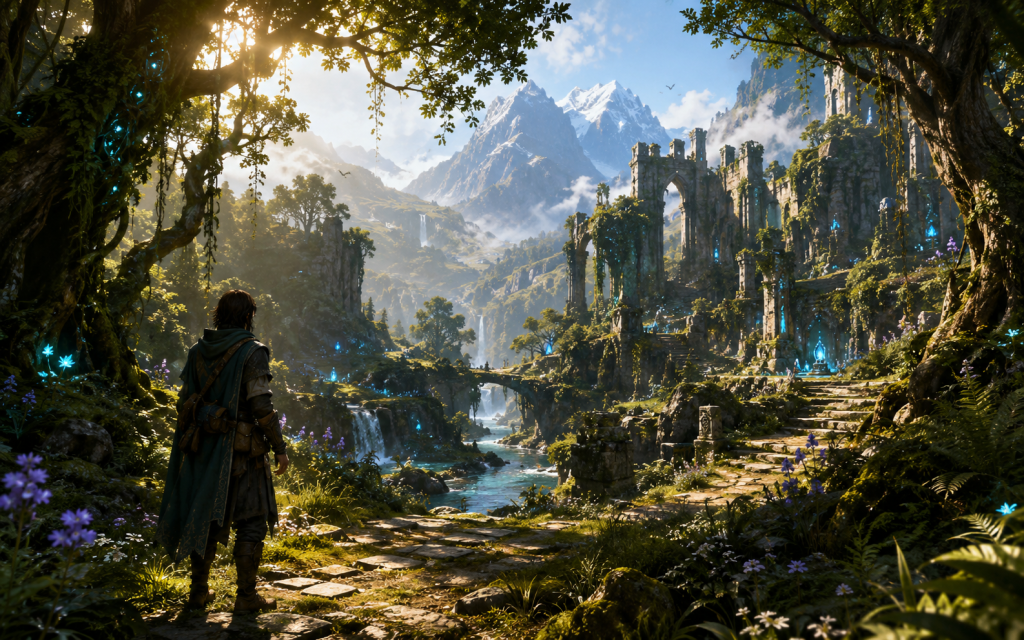
Many creators build a game with AI, but end up with worlds that feel flat, empty, or repetitive. The levels look okay but lack depth, atmosphere, and a sense of place. Players explore for a few minutes then lose interest because the environment does not draw them in. The solution lies in better prompts. When you describe the game world clearly and specifically, the AI produces richer more interesting results. This guide explains how to write prompts that create detailed, consistent and immersive worlds. You will learn practical techniques, exact examples, and ways to refine your results so your game worlds feel alive and memorable.
Why World Prompts Make a Big Difference
Good world prompts turn basic backgrounds into living environments. Vague instructions like make a forest level produce generic results. Detailed prompts that describe lighting, atmosphere, objects and feeling create worlds that players want to explore. Strong prompts also ensure consistency. Every new area feels like it belongs in the same game instead of looking random. This unity makes the entire experience feel planned and professional. Learning to craft better prompts is one of the most valuable skills for creating games that stand out.
Four Key Elements of Strong World Prompts
Use these four elements in every world prompt for better results.
- Overall Atmosphere: Describe the mood lighting, weather and feeling you want such as a peaceful, misty morning or dark, stormy ruins.
- Key Features: List important objects, structures, and details like ancient trees with glowing flowers or broken stone pathways covered in vines.
- Consistency Rules: Tell the AI to maintain the same style, colors and theme across all generated areas.
- Player Experience: Explain how the world should feel to players such as mysterious, inviting or dangerous.
Including these elements helps the AI understand your vision and produce more cohesive worlds.
Writing Effective Prompts for Game Worlds
Start with a clear base description. For example, write a peaceful forest world with tall ancient trees soft sunlight filtering through leaves and gentle mist on the ground. Add layers by describing what players can interact with such as climbable vines hidden clearings and small streams with stepping stones. Be specific about scale and detail. Mention whether the world is small and intimate or large and open. Describe colors textures and sounds to make the environment feel real. After the first result use follow up prompts like add more variety to the trees and make the ground look softer with fallen leaves. This step by step refinement improves the world significantly.
Four Techniques for Richer Game Worlds
- Layer Your Descriptions: Start with the big picture then add medium details and finally small interactive elements.
- Use Sensory Details: Mention what players would see hear and feel such as rustling leaves distant bird calls and soft moss underfoot.
- Add Interactive Opportunities: Describe objects players can touch climb or use so the world feels alive rather than decorative.
- Maintain Theme Consistency: Always reference the main style and mood in every new prompt for the same game.
These techniques help create worlds that feel deep and believable.
Examples of Strong World Prompts
For a fantasy setting, try creating a mystical mountain valley with snow-capped peaks, ancient stone ruins covered in glowing runes and winding paths lined with glowing flowers. The air feels crisp and magical with soft blue light from floating particles. For a sci fi world use a futuristic abandoned space station with broken metal corridors, flickering neon lights and large windows showing distant stars. Add scattered tools, floating debris and control panels that still glow faintly.
Refine with follow up prompts such as make the corridors narrower in some areas and add more interactive panels players can examine. These examples show how specific language leads to more interesting results.
Testing and Refining Your Game Worlds
After generating a world, explore it yourself as a player would. Walk through every area and note what feels empty or repetitive. Check whether the atmosphere matches what you described and whether players have interesting things to interact with.
Ask others to explore the world and share their thoughts. Fresh eyes often notice details you miss after working on it for a while. Use their feedback to write better refinement prompts. Small changes like adding more interactive objects or improving lighting can transform a flat world into one that feels alive.
A strong example of detailed and engaging worlds appears in Hunters Path. You can try it on Astrocade. Notice how the environments feel purposeful and draw players deeper into the experience.
Keeping Worlds Consistent Across the Game
Consistency makes worlds feel real. Use the same color palette, lighting style, and object types in every generated area. Include a base prompt that describes the overall theme and refer back to it when creating new sections. This approach prevents the game from feeling like separate, unrelated pieces. Players stay immersed because each new area feels like part of the same living world.
Common Prompt Mistakes to Avoid
Avoid vague descriptions that leave too much to chance. Do not ask for too many different styles in one prompt. Keep prompts focused on one area or theme at a time. Always test the results and refine rather than accepting the first output.
Wrapping Up
Creating better AI game worlds using prompts is a skill that improves with practice. By including atmosphere key features, consistency rules and player experience in your descriptions, you can build environments that feel rich detailed and alive. Test refine and stay consistent across all areas to create worlds that players want to explore. Whether you build your games with Astrocade or other easy tools these prompt techniques help you turn simple ideas into memorable experiences. Start with clear detailed descriptions and gradually improve your results through testing and refinement.
The worlds you create will stop feeling empty and start drawing players in. With better prompts, your games will offer deeper, more satisfying experiences that keep players engaged longer and make your projects stand out. Begin applying these methods to your next game and watch how much more alive your worlds become.