Movie fans can create original AI-assisted videos without copying a film by separating inspiration from protected material. A responsible workflow starts with an original concept, uses images and performances the creator owns or may adapt, and labels realistic synthetic changes. AI can help test motion, characters, and visual styles, but it does not grant rights to a movie scene, actor’s likeness, soundtrack, or promotional image.
1. Start with an Original Story Idea
Instead of recreating a famous sequence shot for shot, identify what makes it appealing. It may be a tense wait before a reveal, a playful misunderstanding, or a color palette associated with a genre.
Turn that observation into a new one-sentence concept: “A delivery rider discovers that every street sign has changed overnight.” This preserves a storytelling principle—a familiar world becoming strange—without copying a character, dialogue, costume, or location.
Write a beginning, change, and consequence. A three-beat structure gives the AI a more useful target than a prompt that simply names a movie or actor.
2. Use Images and Videos You Have Permission to Adapt
Original photographs, commissioned artwork, licensed stock media, and public-domain material provide a stronger foundation than images downloaded from a film page. Check each license for commercial use, modification, attribution, and distribution restrictions.
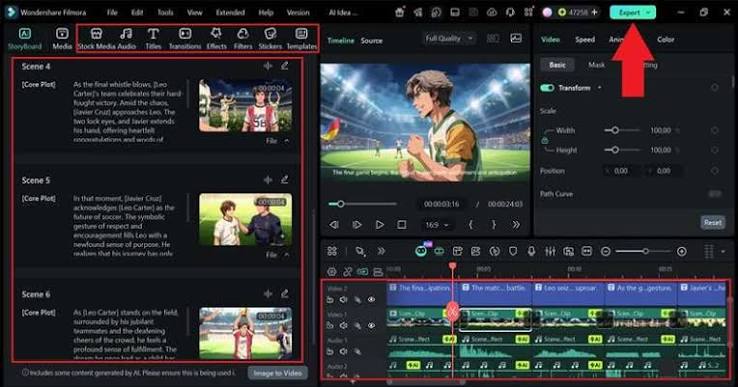
A photo-to-video AI generator can animate an original portrait, illustration, product image, or landscape from a motion prompt. Describe visible movement, such as “the camera moves through the doorway while dust drifts through the light,” rather than requesting the style of a living filmmaker.
Keep the first test short and focused on one action. Review the opening frame, greatest movement, and final pose. If the subject changes identity or important details become distorted, revise the source instead of hiding the error with rapid cuts.
3. Transform Performances and Characters with Permission
A creator may already have a useful performance but want to explore a different authorized character or visual treatment. VideoSwap supports face swapping, character replacement, motion control, and style transfer. These functions are most responsible when the performer, face owner, or client understands how the material will change and where it will appear.
Permission should cover the intended use. Approval for a private experiment does not automatically imply approval for an advertisement or public post. Avoid making someone appear to endorse a product, express an opinion, or participate in an event that never happened.
Review fast turns, hands crossing the face, hair movement, shadows, and occlusion. These moments can create inconsistencies that make an edit misleading or unfinished.
4. Build an Original Visual Identity
Originality becomes clearer when creative decisions work together. Develop your own title, character names, color rules, typography, sound design, and setting. Use licensed music or create an original track instead of extracting audio from a film.
References may guide general decisions. A creator can study how thrillers control pacing or how musicals use color, but the finished video should not depend on audiences mistaking it for footage from a known production.
5. Label and Credit the Final AI Video
A disclosure such as “AI-assisted concept video” helps viewers understand what they are seeing. Credit photographers, performers, artists, music, and licensed assets according to their agreements. Keep permissions, licenses, source files, prompts, and exports together.
Before publishing, ask four questions: Do I control every source asset? Could the video falsely imply a real person’s participation? Is the concept recognizably original? Would viewers understand that synthetic media was used?
Conclusion: Create Original AI Videos While Respecting Copyright
AI gives movie fans new ways to practice visual storytelling. Its best use is not copying a finished film more efficiently, but turning an original idea into a reviewable scene while respecting the people and creative work behind the inspiration.